Introductory overview: Natural latex and wool toppers are popular options for improving sleep comfort in compact cabins. They offer contrasting feel profiles—latex for buoyant support and wool for temperature regulation—each with implications for motion, moisture control, and maintenance at sea. As voyages lengthen and crews adapt to shifting routines, the right topper becomes more than a luxury—it is a practical tool for sustaining alertness and performance in demanding maritime work environments.
Natural latex toppers, often made from Talalay or Dunlop processes, provide resilient contouring that springs back under the weight of a sleeper. The material's inherent elasticity helps distribute pressure evenly, which can reduce localized fatigue after long watch periods. Wool toppers, conversely, leverage natural temperature regulation and moisture-wicking properties to maintain a cooler or warmer sleeping surface depending on ambient cabin climate. Wool’s breathability becomes especially valuable in damp, humid marine environments where cabins can swing between muggy nights and dry, sunlit days.
In shipboard contexts, both options must be evaluated for their interaction with bunk geometry, vibration, and limited headroom. Latex toppers tend to preserve loft over time, supporting sleep posture and reducing the sensation of motion relative to the deck. Wool toppers, while perhaps less buoyant in feel, can offer a more stable surface when paired with proper fastening and edge containment, helping prevent shifting or bunching during rolling passages. The evaluation below blends material science with practical maritime experience to illuminate what each option can deliver in a real-world vessel environment.
Material profiles: latex vs wool
Natural latex toppers are typically constructed as a latex core wrapped in a breathable cover. The Talalay process is known for a uniform, plush feel with consistent responsiveness, whereas Dunlop latex can deliver a firmer, denser support with robust durability. For maritime use, a 3–4 inch topper can provide noticeable improvements in pressure distribution without dramatically increasing berth height, which matters in tight cabin layouts.
Wool toppers rely on natural fibers—often wool batts laminated within a quilted cover, sometimes with organic cotton or wool blends. Wool’s temperature-regulating properties help the sleeper maintain a stable microclimate throughout night cycles. In oceanic climates that fluctuate between warm days and cool nights, wool’s adaptive insulation can reduce the need for extra blankets or added bedding layers, contributing to crew comfort and quick readiness for early starts.
Longevity and maintenance in the open sea
Durability is a central concern aboard ships. Latex toppers are typically resistant to compression and retain loft well, but exposure to prolonged moisture or humidity without proper enclosure can impact longevity. A well-sealed cover and a breathable membrane can help prevent moisture ingress, while periodic airing of toppers during port calls can mitigate humidity buildup.
Wool toppers, valued for natural repellence to dust mites and their moisture-wicking abilities, require attention to moisture accumulation and moth protection in some climates. Wool’s resilience against moisture makes it less prone to mold in dry ships’ cabins, but wool can be heavier and may require more careful rotation and occasional re-fluffing to preserve loft. A removable, washable cover is highly recommended for maintenance aboard vessels where cabin cleanliness and quick turnarounds are essential.
Sleep biology: how toppers influence rest on the move
Sleep science highlights that a stable, well-supported surface can improve sleep onset and maintenance, especially in environments with motion, engine noise, and vibration. Latex’s contouring support helps distribute pressure and encourages spinal alignment, reducing waking during the night from discomfort. The buoyant feel can also reduce the perception of motion in some sleepers, which is a meaningful advantage in rough seas.
Wool toppers promote thermal comfort, which is a key driver of sleep onset. Temperature regulation influences core body temperature—a critical factor in sleep initiation. By maintaining a steady microclimate in the berth, wool can help minimize nighttime sweating or shivering, both of which can interrupt sleep cycles in small cabins that lack precise climate control.
Practical guidance: choosing for crews and guests
When selecting a topper for maritime use, consider the following practical criteria:
- Berth height and cabin layout: A topper that adds too much height may restrict clearance or foul under-sheets during bunk transitions. A 3–4 inch profile is often ideal for crew quarters with limited headroom.
- Climate and humidity: In hot, humid climates, a breathable latex profile with a moisture-wicking cover helps maintain comfort. In cooler or variable climates, wool can offer adaptive warmth without overheating.
- Maintenance and care: Removable, washable covers simplify cleaning aboard. Ensure toppers are paired with anti-slip underlayers or deck-friendly fastening to prevent shifting during rough seas.
- Allergies and sensitivities: Natural latex may cause sensitivities in a few individuals. Wool is generally hypoallergenic but should be sourced from reputable suppliers to ensure purity and low chemical exposure.
- Ventilation and airing routines: Regular airing during port calls or cargo stops can extend life and preserve comfort, particularly for latex toppers that appreciate fresh air cycles.
Ultimately, the choice may come down to crew needs and voyage profiles. For long multi-day passages where fatigue management matters, a latex topper can offer consistent contouring and quick adaptation to different crew weights. For voyages with variable humidity and warmer nights, a wool topper can help preserve a balanced sleep climate without requiring additional cooling or warming interventions.
Representative products and case references
To illustrate the kinds of options commonly found in maritime bedding ecosystems, consider two notable toppers that reflect the mainstream spectrum of natural materials:
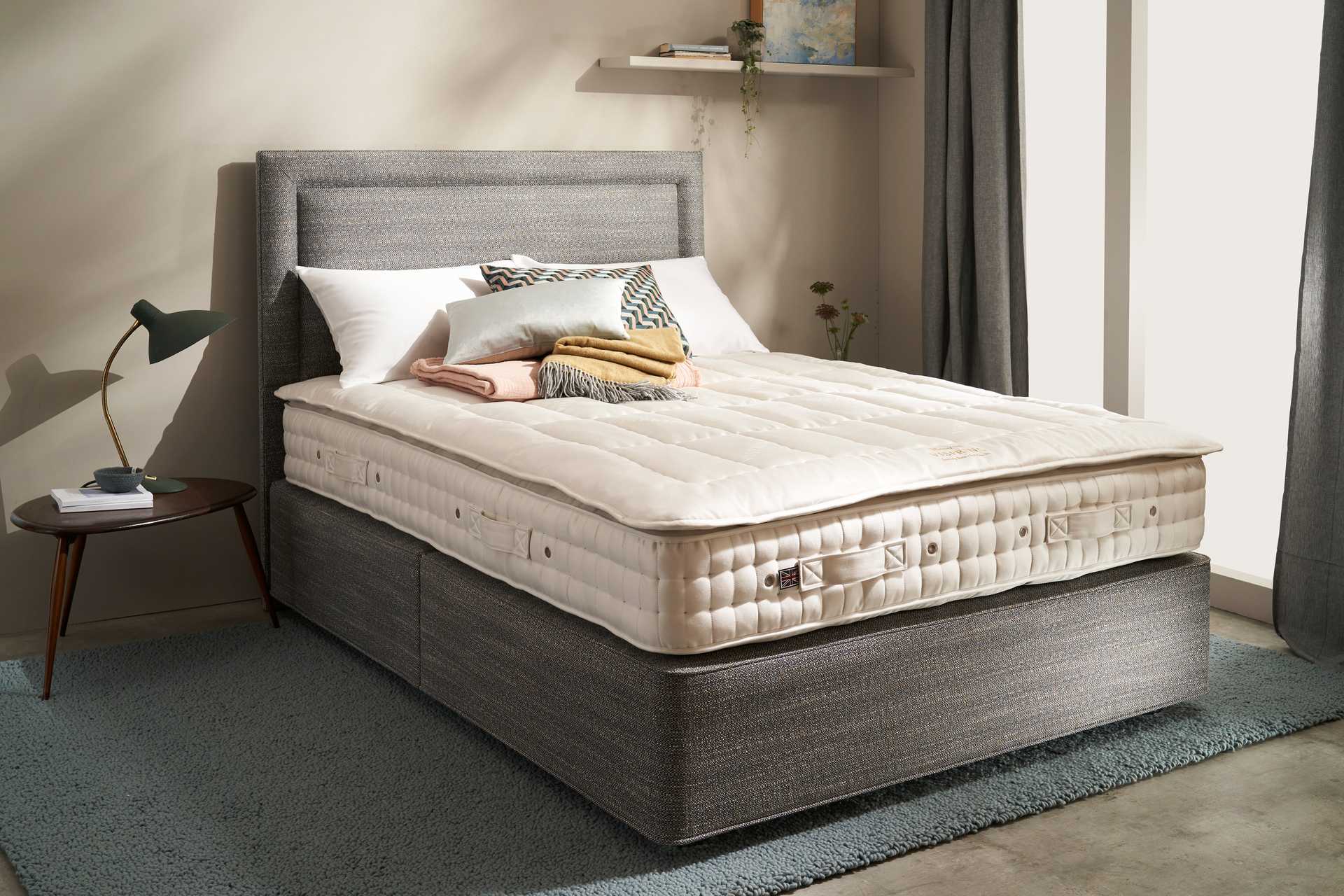
Vispring Heaven Luxury Supreme Mattress Topper
Premium luxury topper crafted with a blend of British fleece wool and South American horsetail, designed for exceptional loft and temperature regulation.
Height: 3.9 inches. Features a wool content for natural climate control and durable edge construction.
Price: $2,575.00
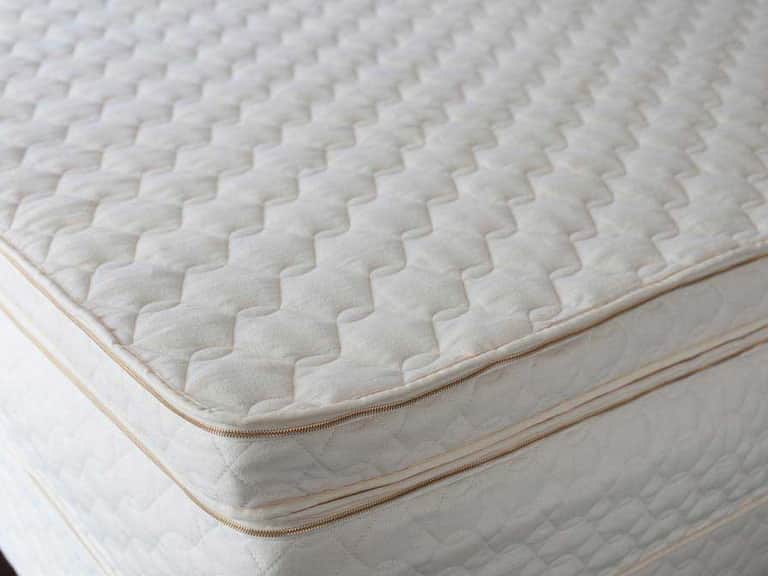
Savvy Rest Harmony Latex Topper
A three-inch natural latex insert wrapped in organic wool and cotton cover, offering pressure-point relief and breathability.
Height: approximately 4 inches total. GOTS-certified materials with a wool and organic cotton cover.
Price: $1,399.00
These examples reflect the spectrum of natural toppers available to maritime customers: a high-end latex-wool blend for premium support and temperature regulation, and a latex-based topper emphasizing contour and breathability with ethical material sourcing.
A note on complementary bedding elements
Beyond toppers, maritime sleep quality benefits from compatible pillows, sheets, and mattress protectors that prioritize easy care and moisture management. For example, hypoallergenic pillow choices paired with breathable, moisture-wicking sheets can reinforce the topper’s comfort profile. In small cabins, edge-to-edge security—such as non-slip mats and snug fitted sheets—reduces movement of the surface and sheets during voyage rocking, contributing to a steadier sleep space.
Product considerations should align with shipboard routines: wash cycles during port calls, compact storage, and the ability to re-pack toppers for crew rotations. The aim is to balance comfort, safety, and practicality at sea, where maintenance windows are scarce and crew well-being is central to mission success.